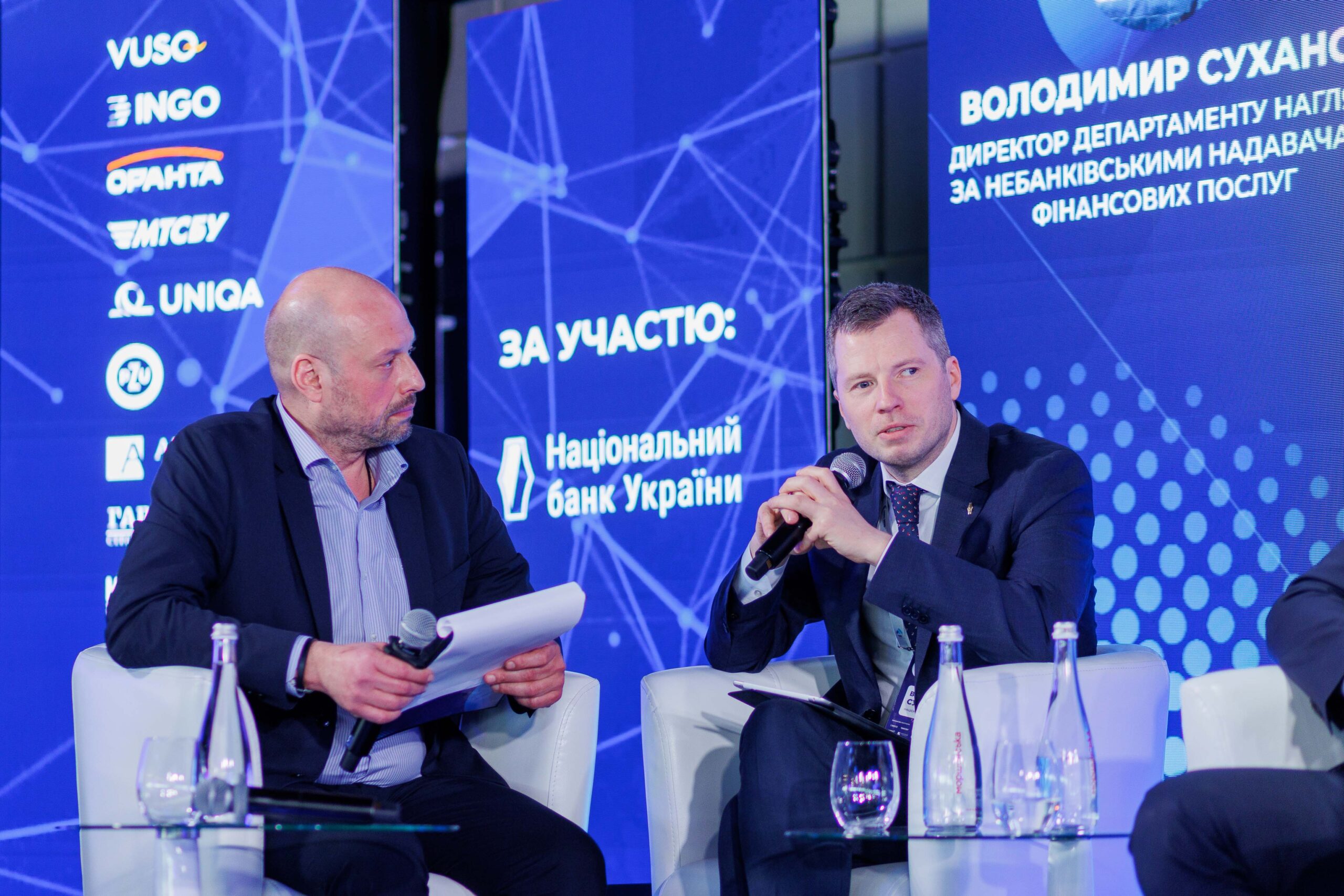
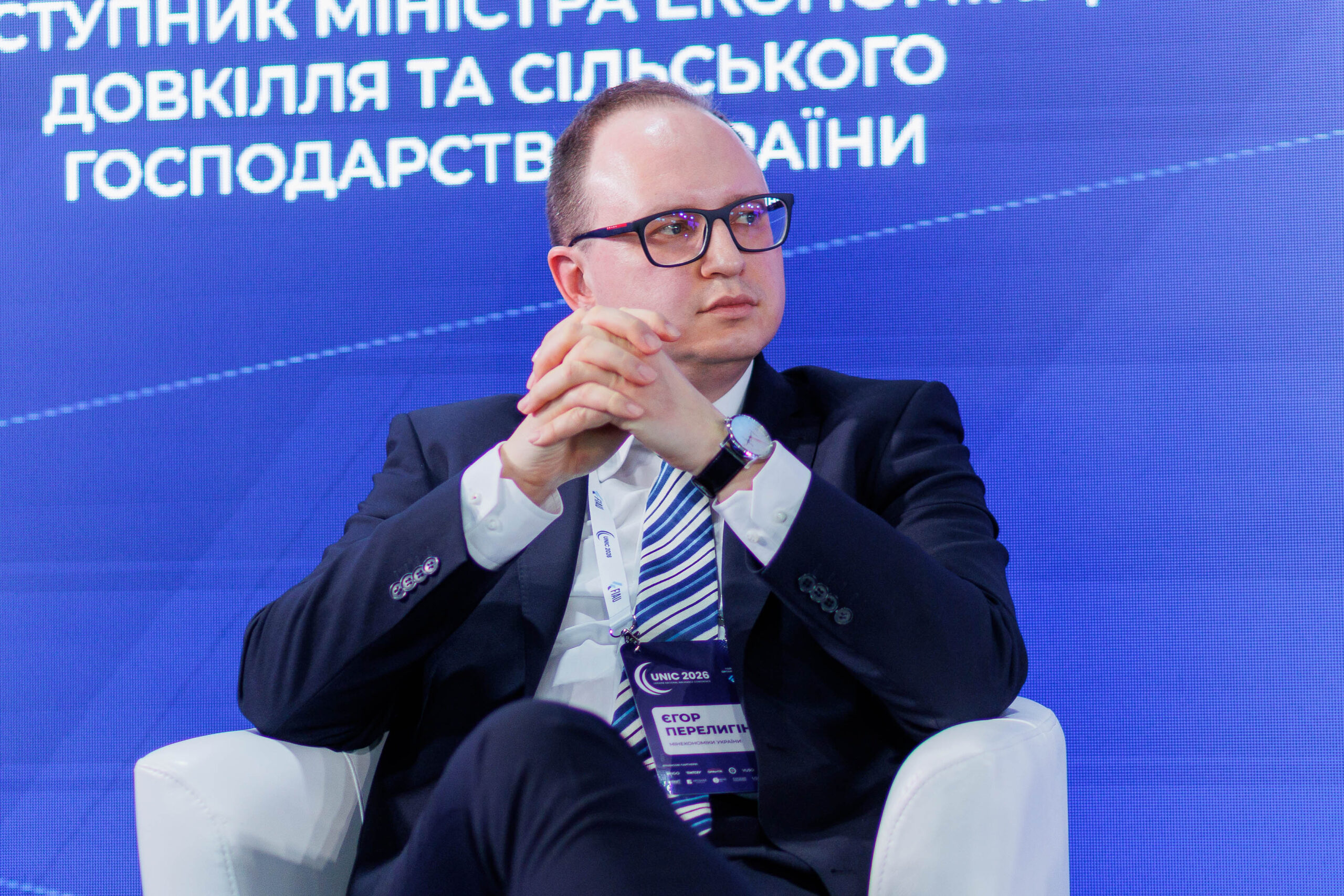
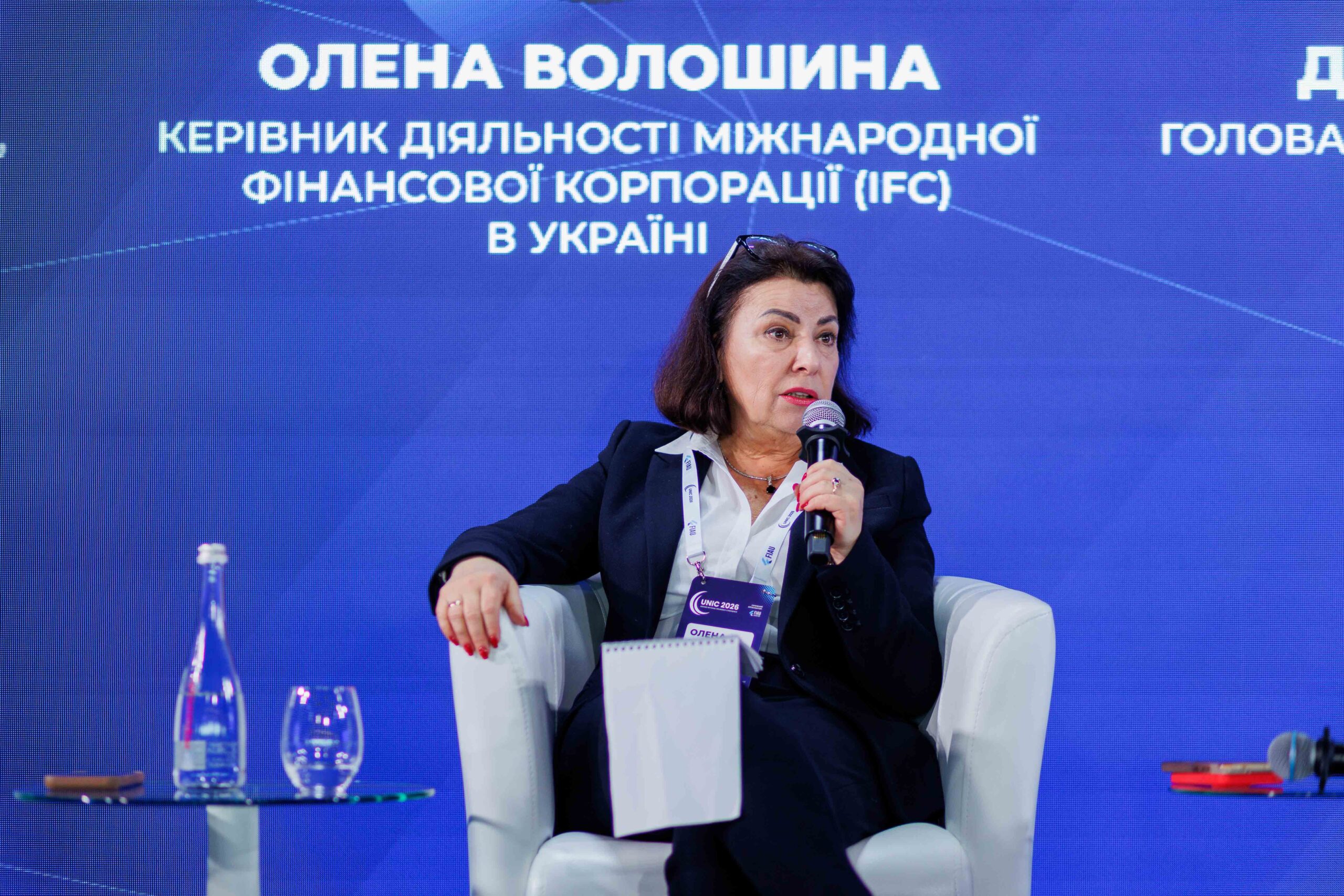
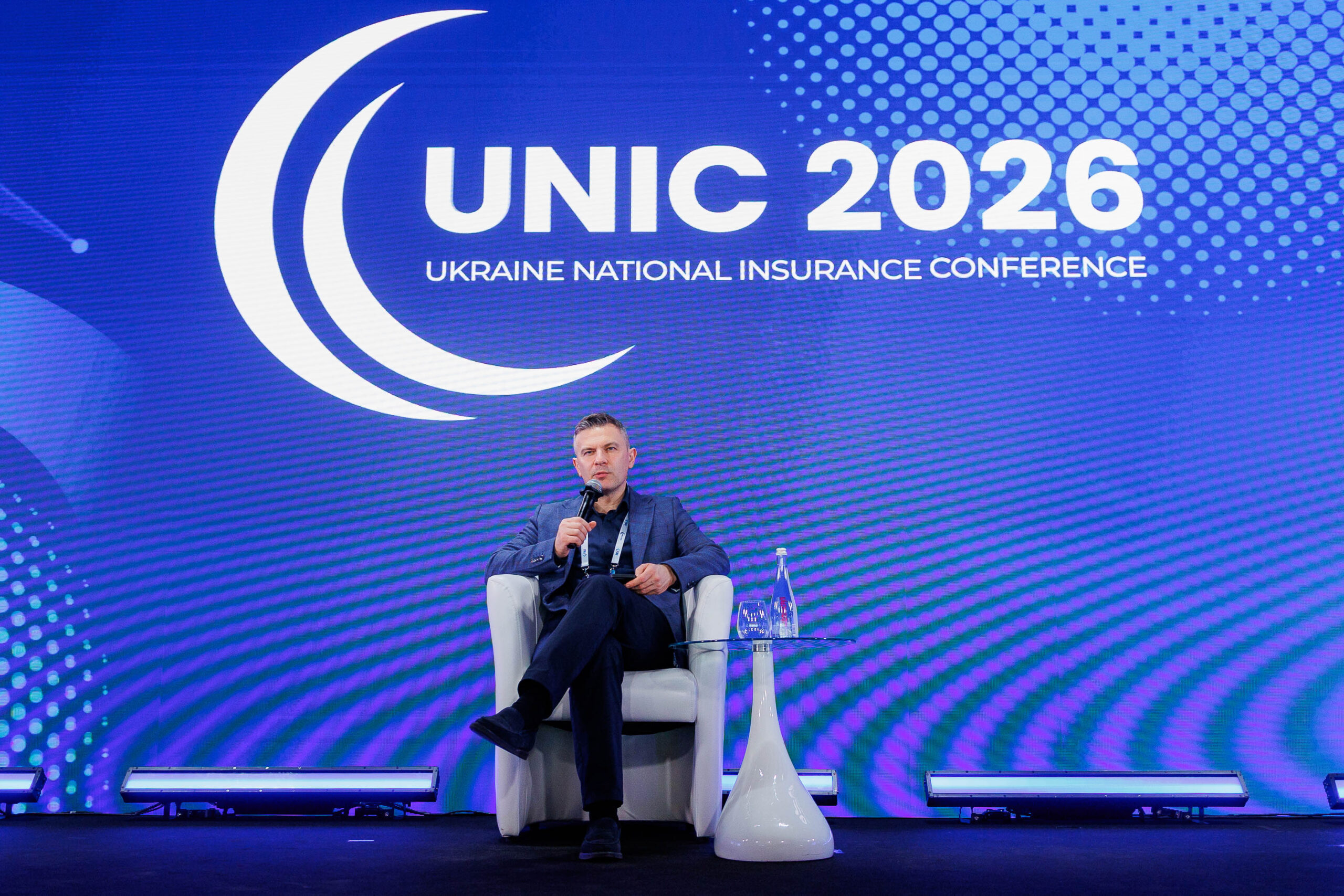
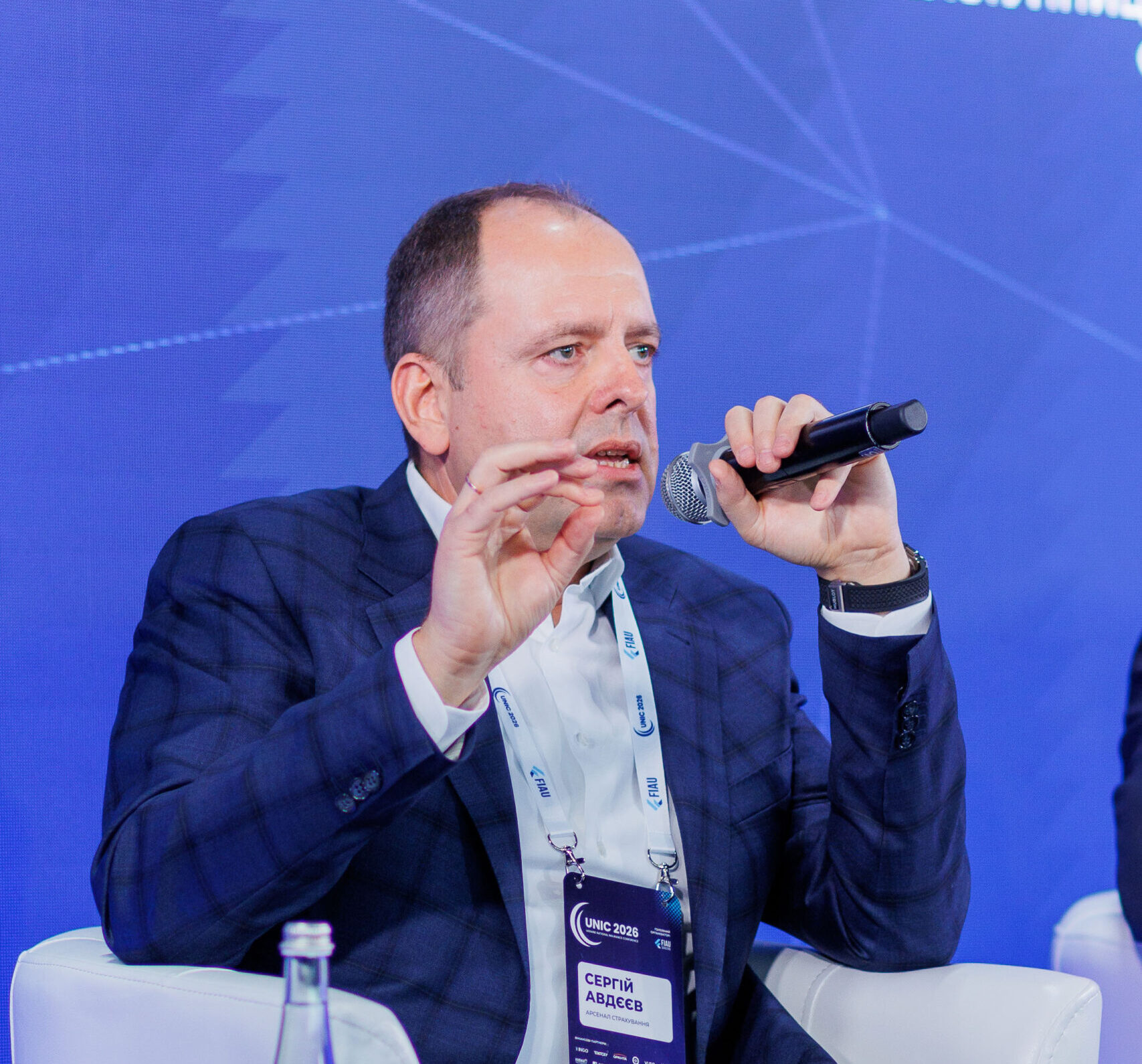
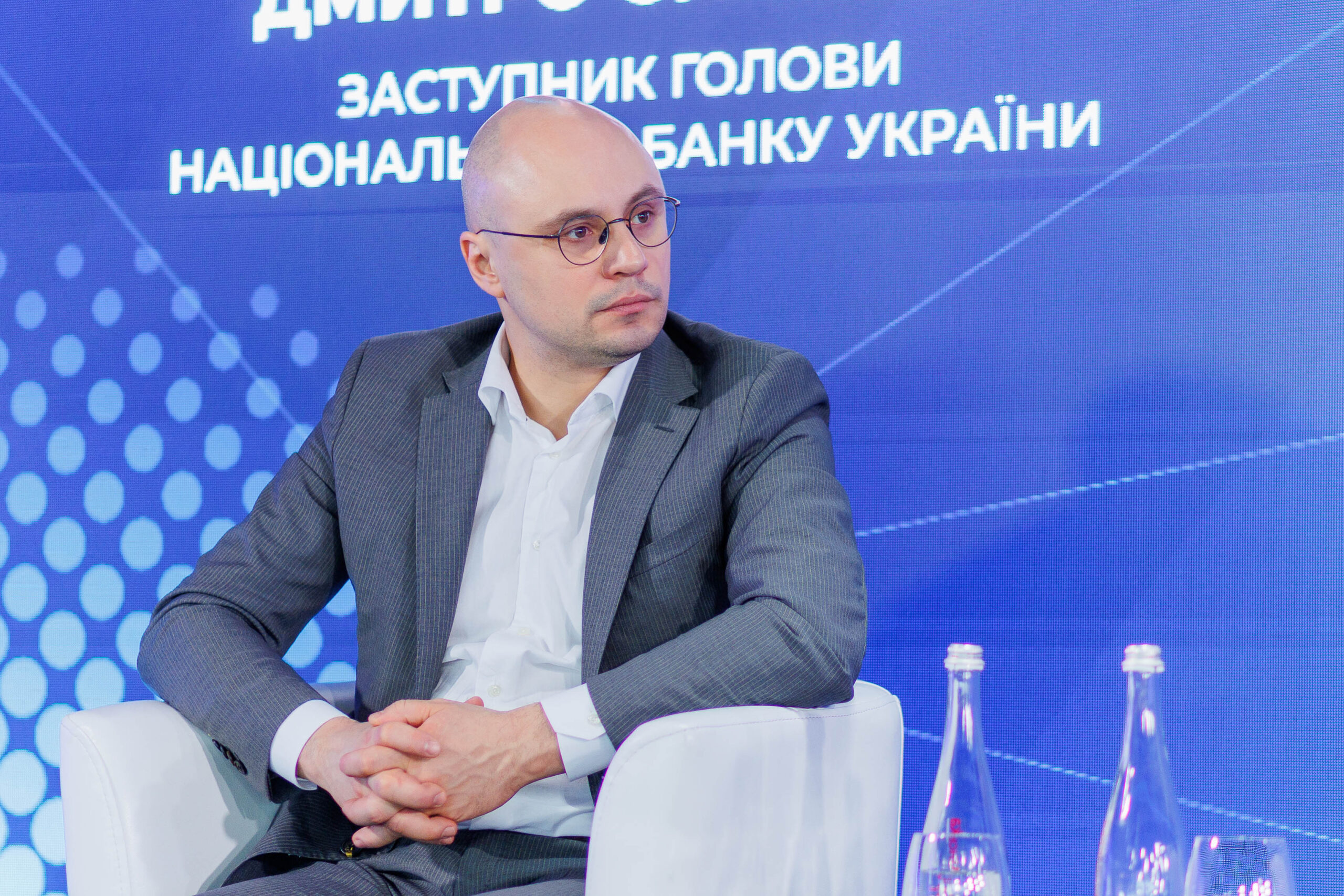
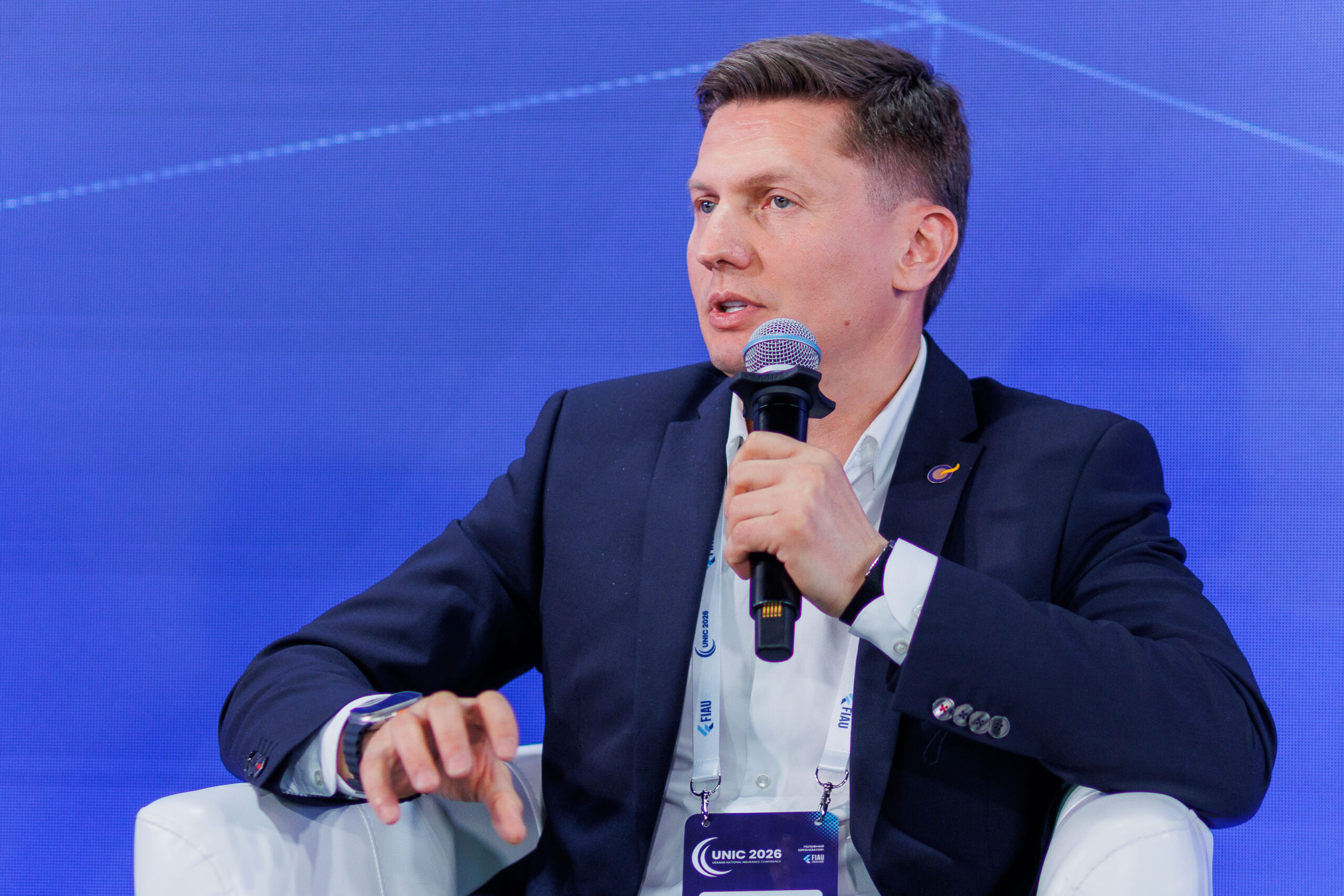
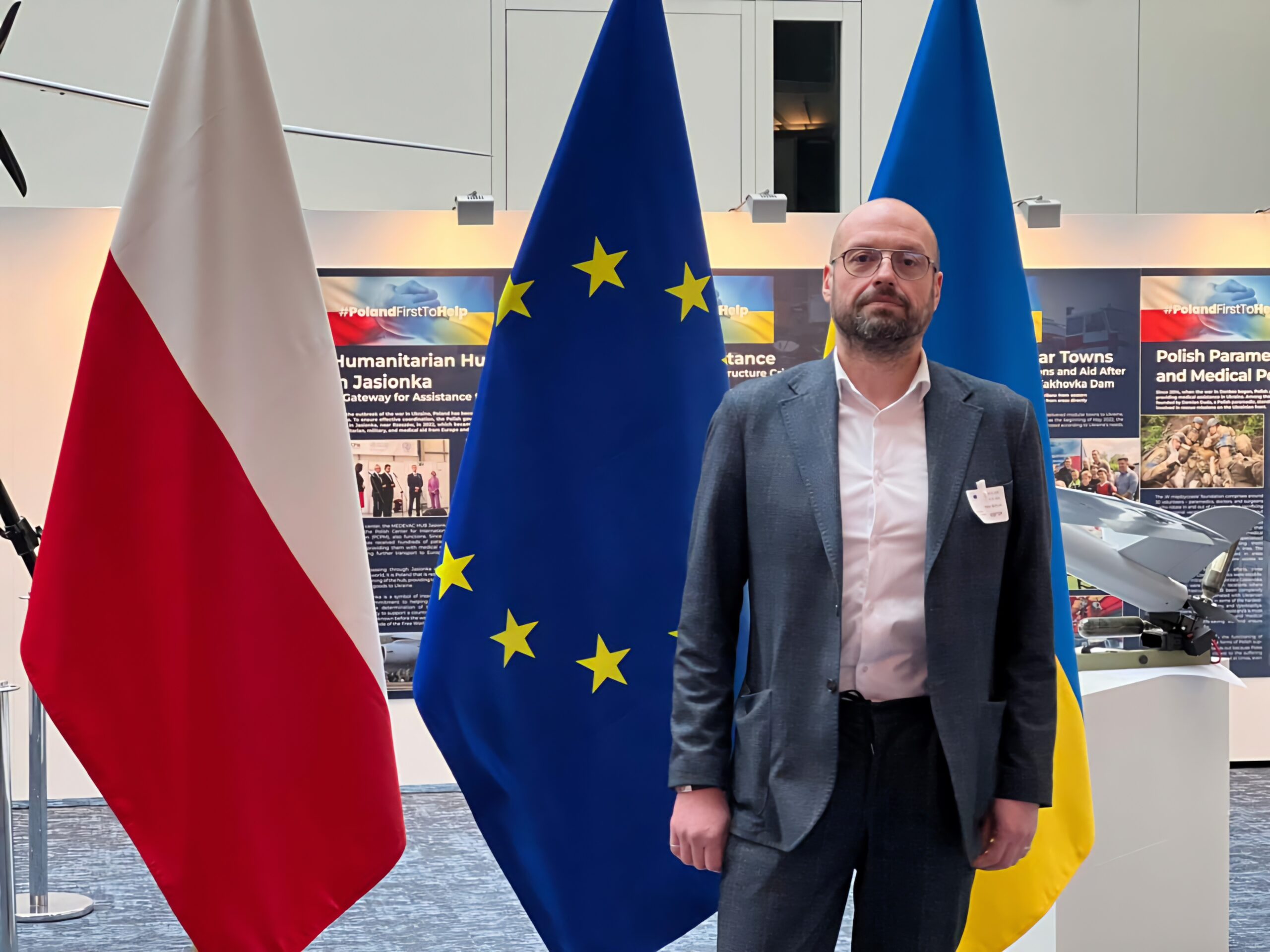
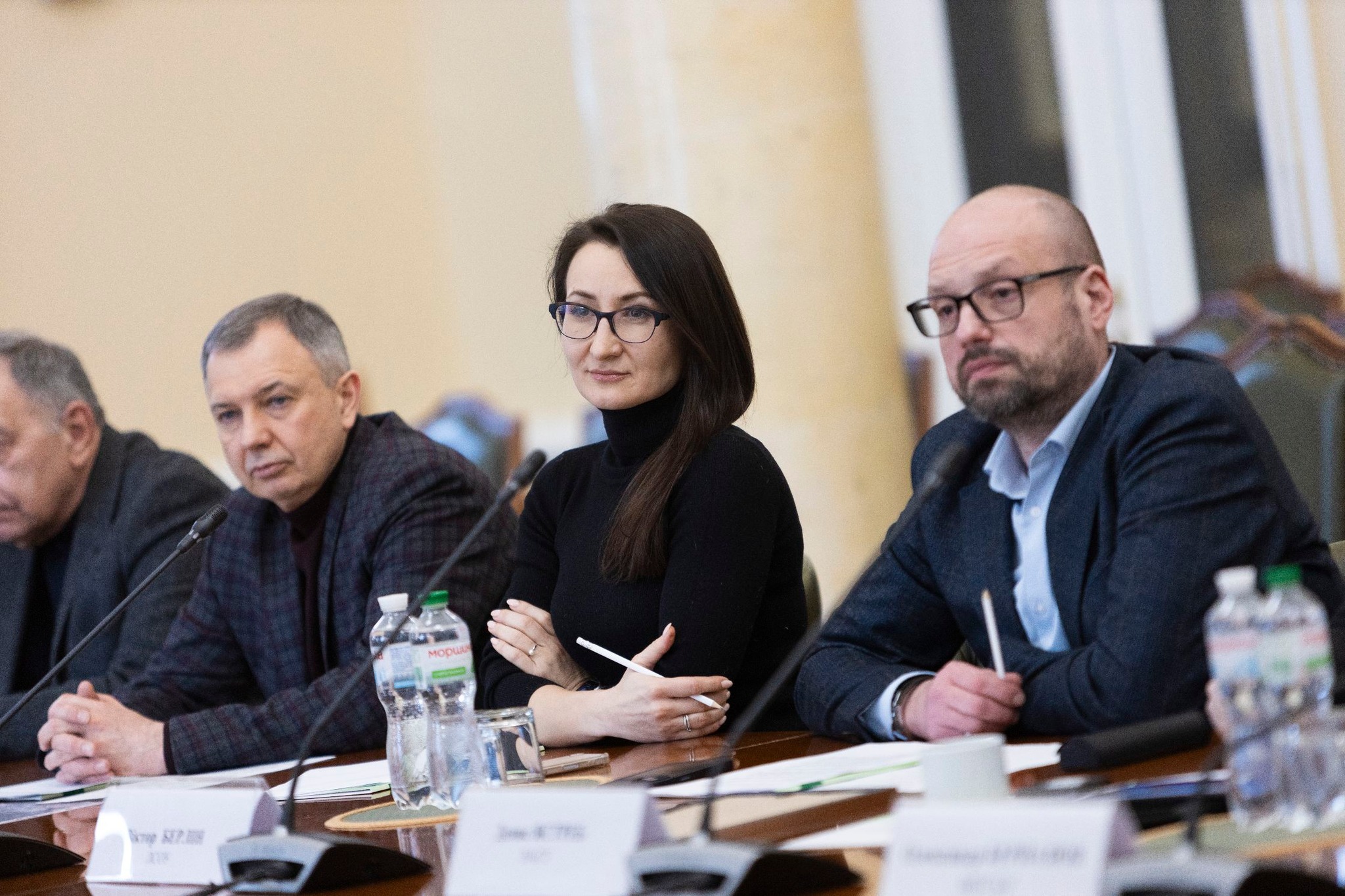
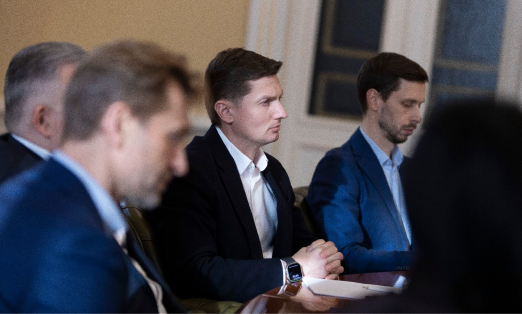
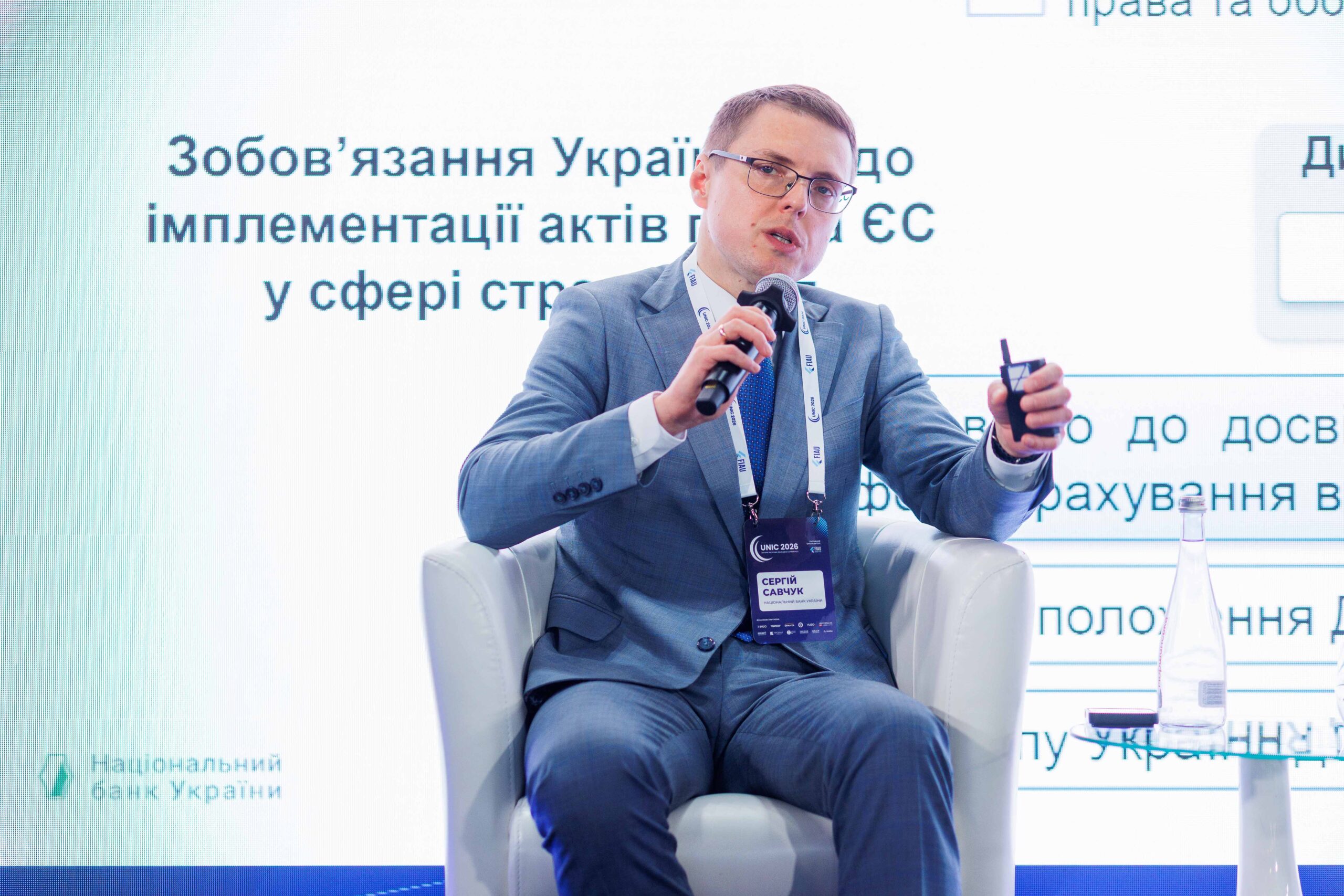
The forum was held with the support of the governments of the United Kingdom and Ukraine and brought together global leaders in the reinsurance market, including executives from Lloyd’s and representatives of global brokers such as WTW, McGill & Partners, AON, Marsh, and Howden Insurance Group, as well as international financial institutions: the European Commission, DFC, MIGA, FCDO, EBRD, and Ukrainian insurers.
A common thread ran through all the discussions: in the most challenging markets, it is insurance that drives capital flows. Without insurance coverage, there will be no investment. It is insurance that serves as the mechanism transforming economies operating under war risks from “uninsurable” to “attractive for investment.”
The main barrier to investment in Ukraine is not a lack of capital, but the lack of risk insurance.
About $588 billion is needed to rebuild Ukraine over the next decade, but the decisive factor in attracting private capital is the ability to insure against war risks. Without adequate coverage, many projects do not even reach financial close.
At the forum, representatives of the Ukrainian delegation also discussed the dynamics of the Ukrainian insurance market, which is showing growth even during the war:
Gross insurance premiums for the 12 months of 2025 totaled UAH 72.28 billion, an increase of UAH 19.03 billion (+35.7%) compared to 2024. Of this amount, gross insurance premiums for non-life insurance companies totaled UAH 66.27 billion (91.68% of total insurance premiums), while gross insurance premiums for life insurance companies totaled UAH 6.01 billion (8.32%). Insurers’ profit for the first quarter of 2026 exceeded UAH 1.5 billion, which is 27.1% more than in the same period last year.
This refutes the widespread assumption that the market is weak amid the war.
The Ukrainian insurance market has learned to insure against war risks.
Representatives of Ukrainian insurance companies demonstrated in their presentations that insuring against war risks is not only possible during active warfare but can also be profitable.